NSF-REU: Summer Projects
Join groundbreaking research
NSF-REU Home Past Student Participants Past Publications + Posters
We are excited to continue the Summer REU Site under the NSF Grant titled “Advancing high-performance computing (HPC) opportunities in undergraduate research at UW-Eau Claire to meet challenges of multidisciplinary computational science” in 2026.
Our REU site will support research for 10 undergraduate students each summer engaging them in a collaborative research experience with the central theme of designing computationally intensive algorithms and simulation models using HPC. The research will be conducted using UW-Eau Claire's Blugold High-Performance Computing facility.
Below is a list of all of the different research projects this summer that REU applicants are able to choose from. Once selected, students are assigned a project and faculty mentor they'll be working with throughout their nine-week period and possibly beyond.
Biology
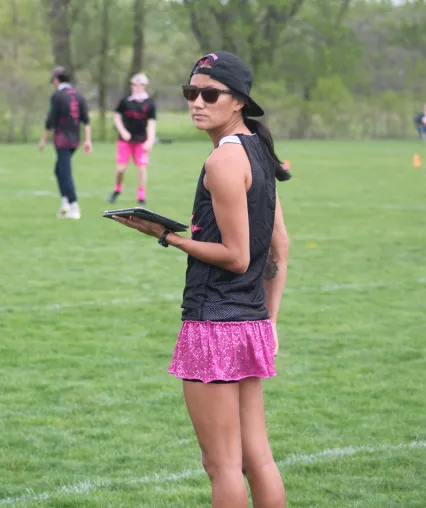
Nora Mitchell
Project: Understanding Evolutionary Phenomena Using Bioinformatics
The Mitchell Research Group investigates rapid biological radiations to understand evolutionary drivers that underpin biodiversity. Focusing on the adaptive radiation of the South African plant genus Protea, the group examines how shifts in pollinators have driven novel morphological, chemical, and functional traits. Using phylogenomic tools, they analyze hundreds of genes to unravel evolutionary relationships within Protea and gain insights into the mechanisms of adaptation and diversity. Students in the lab work with biological samples and utilize bioinformatics pipelines to process sequence data from Anchored Phylogenomics. These pipelines include both traditional methods and emerging approaches leveraging machine learning, such as DeepVariant.
Computer Science

Rahul Gomes
Project: Designing Efficient Deep Learning Models for Biomedical Image Analysis
Research in the Gomes Lab focuses on developing optimized deep learning architectures for medical image analysis, enabling faster classification and segmentation with fewer parameters and training labels. Students are designing and refining models such as nnUNet, MONAI, and transformer-based architectures to improve diagnostic precision across diseases including pancreatic cancer and cardiovascular conditions. These efforts bridge computational innovation and clinical impact, supporting applications ranging from CT-based tumor localization to implant detection and surgical planning.

Jim Seliya
Project: Coming Soon
Details about the summer project from the Seliya Research Group will be listed soon.
Chemistry and Biochemistry

Sudeep Bhattacharyay
Project: Developing Inhibitor Screening Techniques Using Deep Learning and High-Throughput Docking
The Bhattacharyay Research Group in the Department of Chemistry and Biochemistry is exploring to develop drug molecule screening method that employs deep learning and artificial intelligence-based algorithms in addition to computational quantum chemistry and high throughput docking of small molecules. Computational methods are being used to identify small-molecule inhibitors of Quinone Reductase 2 (QR2), a cytosolic enzyme linked to oxidative stress and upregulated in Alzheimer’s patients. By targeting QR2, the group aims to advance therapeutic strategies for neurodegenerative diseases. Their research leverages Harris Hawk Optimization-based deep learning to efficiently screen potential inhibitors from large cheminformatics databases, classifying molecules based on binding free energy at QR2's active site through high-throughput docking.

Stephen Drucker
Project: Testing and Refinement of Computational Methods for Characterizing Electronically Excited
The Drucker Lab in the Department of Chemistry and Biochemistry explores the science of molecules that interact with electromagnetic radiation. Using quantum chemical calculations as well as the experimental jet-cooled laser spectroscopy technique, the researchers try to understand how the structure and bonding of the molecules under study have changed as a consequence of the laser excitation.

Sanchita Hati
Project: Molecular Dynamics Simulations to Investigate Macromolecular Condensates Formation in the Aqueous Solution of Synthetic Crowders of Variable Sizes and Shapes
The Hati Research Group investigates the formation of biomolecular condensates, membraneless organelles critical for processes like gene expression, DNA damage response, and signal transduction. To uncover the molecular mechanisms driving condensate formation, the group uses synthetic polymers such as PEG (polyethylene glycol) of varying sizes, ranging from 100 Da to 20,000 Da, to study their ability to form condensates and induce biomolecular assembly. This research provides molecular-level insights into condensate formation, aiding the development of protein-based therapeutics and industrial enzymes in intracellular-like environments.
Geography and Anthropology

Papia Rozario
Project: Multi-Modal Environmental Monitoring Through Ground-Based Remote Sensing and Satellite Data Fusion
Research in the Rozario Lab focuses on integrating multi-modal environmental data including satellite imagery, ground sensor time-series, geospatial layers, and environmental text reports to generate a unified understanding of ecosystem conditions. Students employ machine learning and geospatial analytics to develop models that capture complex spatial–temporal behaviors. Supported by high-performance computing (HPC) resources and large language models (LLMs), the lab processes large-scale datasets, automates environmental summarization, and builds intelligent decision-support tools. This multi-modal fusion strengthens early detection of ecological change, improves monitoring accuracy, and informs sustainable planning and resource management.
Materials Sciences and Biomedical Engineering
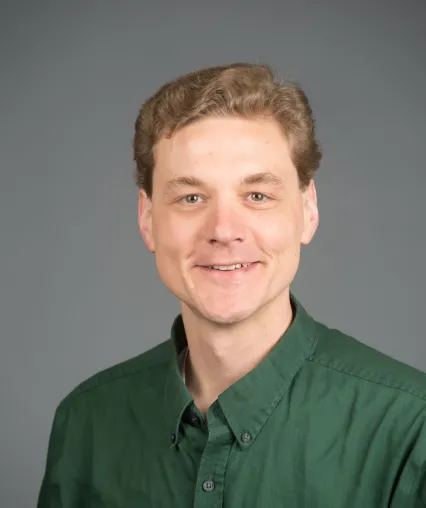
Matt Jewell
Project: Application of Deep Learning Algorithms for Superconducting Wire Assessment
The Jewell Research Group in the Department of Materials Science and Biomedical Engineering employs deep learning to advance the study of superconducting materials, focusing on the Bi2Sr2CaCu2O8 (Bi-2212) system. Using semantic segmentation models, the group classifies superconducting filaments as either conjoined or individual, a distinction critical to optimizing the material's performance as a magnet conductor in next-generation proton-proton particle accelerators and muon colliders. These improvements could reduce accelerator size and cost while increasing particle interaction frequencies. The group's research explores the relationship between filament bridging, critical current density, and hysteretic losses, essential for practical magnet applications.
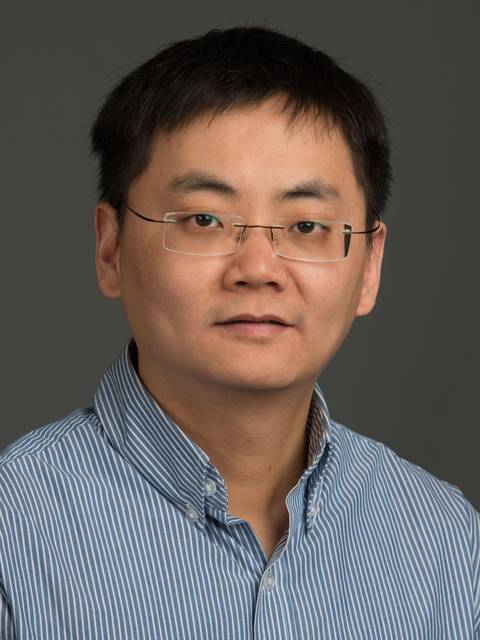
Ying Ma
Project: Machine Learning Enabled Design of Amorphous Materials for Electrochemical Energy Storage
The Ma Research Group in the Department of Materials Science and Biomedical Engineering focuses on advancing lithium-ion battery (LIB) technology to address challenges such as limited range, slow charging, and safety concerns in electric vehicles. The group specializes in studying novel amorphous materials for electrodes and electrolytes, such as Li3OCl, Li3OBr, and SiO2. Their research leverages machine learning force fields (MLFFs) to model electrochemical behaviors at a fraction of the computational cost of traditional ab initio molecular dynamics (AIMD) simulations. Undergraduate researchers (UGRs) in the lab develop MLFFs for chosen materials and study key properties, including amorphous structure stability, lithium-ion diffusivity, and electrolyte-electrode interface interactions. This approach enables deeper insights into materials' potential for enhancing battery performance while reducing computational demands.
Prior Summer Projects
Interested in learning more about what types of projects that undergraduate students were able to participate in during prior years of our REU program? Click the headings below to view a list of projects from that summer.
Summer 2022
The Summer 2022 REU program was funded under NSF Award #2150191.
Computer Science
Rahul Gomes
Project: Designing Optimized Deep Learning Algorithm for Image Classification
Research in the Gomes Lab focuses on optimizing deep learning algorithms to enable faster image classification and segmentation with fewer training parameters and training labels. Using deep learning, students are developing software tools that have a direct impact on health sciences. They are exploring optimization techniques that could find application in imaging devices like CT scanners capable of rapid disease diagnosis as well as detection of surgical implants.
Rakib Islam
Project: Entity-Based Aspect-Oriented Opinion Mining in Software Engineering
Research in the Islam Lab focuses on concepts of software engineering and machine learning. Using natural language processing, students are exploring sentiment analysis of software engineers through the opinions on the various aspects (e.g., bug, performance, and security) of software-specific entities (e.g., tools, libraries, and APIs).
Chemistry and Biochemistry
Sudeep Bhattacharyay
Project: Hybrid Quantum-Classical Simulations to Probe Redox-Dependent Inhibition in Enzymes
The Bhattacharyay Lab in the Department of Chemistry and Biochemistry is involved in studying medicinal aspects of small organic molecules targeting oxidation-reduction processes involving enzymes. The research group uses hybrid quantum/classical simulations on supercomputers to study the chemistry and functional inhibitors of these enzymes.
Stephen Drucker
Project: Testing and Refinement of Computed Properties of Electronically Excited Molecules
The Drucker Lab in the Department of Chemistry and Biochemistry explores the science of molecules that interact with electromagnetic radiation. Using quantum chemical calculations as well as the experimental jet-cooled laser spectroscopy technique, the researchers try to understand how the structure and bonding of the molecules under study have changed as a consequence of the laser excitation.
Sanchita Hati
Project: Modeling Protein Dynamics and Catalysis in Intracellular-Like Crowded and Confined Environments
The Hati Lab in the Department of Chemistry and Biochemistry explores how a protein behaves in a crowded and confined environment, just like in a realistic biological environment. Research students in the lab create model enzyme systems to mimic the intracellular environment and simulate those systems using high-performance computers to study how a protein’s structure and dynamics change due to crowding and confinement. A molecular-level understanding of the effects of crowding and confinement on protein structure, dynamics, and function could aid in drug development.
Thao Yang
Project: High-Throughput Docking of Small Molecules Inhibitors to the Molybdenum-Containing Active Site of Xanthine Oxidase
The Yang Lab in the Department of Chemistry and Biochemistry is studying drug molecules design using high-performance computing. Using graphics-processor unit accelerated dynamics and molecular docking algorithm, his students will try to create a faster screening process of drug molecules that inhibit an enzyme.
Geography and Anthropology
Papia Rozario
Project: Vegetation Mapping with High-Resolution Low Altitude UAV-based Imagery Using Deep Learning
The Rozario Lab in the Department of Geography and Anthropology focuses on the acquisition, processing, and interpretation of very high-resolution UAV imagery. Students explore machine learning techniques to identify land cover classes and study land-use changes. Hyperspectral imagery is also being used for calculating biomass and carbon mapping in forestry applications.
Materials Sciences and Biomedical Engineering
Ying Ma
Project: Computer Simulation of Electrode Materials for Lithium-ion Batteries
Research activities in the Ma Lab focuses on the computational study of novel materials for energy conversion and storage. Using computer simulation techniques, the students explore new cathode materials for lithium-ion batteries with improved energy density. Topics of recent projects include the study of amorphous sulfur for lithium-sulfur batteries, organic catholytes, and supercapacitors.
Michael Walsh
Project: Laser-based Infrared Spectroscopic Imaging for Diagnostic Purposes
Research in the Walsh Lab is focused on developing a methodology, instrumentation, and algorithm for novel label-free imaging technologies that could be applied towards disease diagnosis. This research plays a promising role in identifying novel biomarkers in tissue images that were earlier impossible to perform using manual segmentation. Students use infrared spectroscopic imaging devices equipped with a hyperspectral image sensor to capture rich amounts of biochemical information from the tissues.
Physics and Astronomy
Bill Wolf
Project: Computational Astrophysical Study of Stellar Structure and Evolution
Research in the Wolf Lab is focused on modeling nova outbursts on accreting white dwarf stars. Students explore how white dwarf stars evolve through successive accretion-driven thermonuclear runaways known as novae by constructing computational models of these stellar systems using the open-source scientific instrument MESA.
Summer 2023
The Summer 2023 REU program was funded under NSF Award #2150191.
Computer Science
Rahul Gomes
Project: Designing Optimized Deep Learning Algorithm for Image Classification
Research in the Gomes Lab focuses on optimizing deep learning algorithms to enable faster image classification and segmentation with fewer training parameters and training labels. Using deep learning, students are developing software tools that have a direct impact on health sciences. They are exploring optimization techniques that could find application in imaging devices like CT scanners capable of rapid disease diagnosis as well as detection of surgical implants.
Rakib Islam
Project: Entity-Based Aspect-Oriented Opinion Mining in Software Engineering
Research in the Islam Lab focuses on concepts of software engineering and machine learning. Using natural language processing, students are exploring sentiment analysis of software engineers through the opinions on the various aspects (e.g., bug, performance, and security) of software-specific entities (e.g., tools, libraries, and APIs).
Chemistry and Biochemistry
Sudeep Bhattacharyay
Project: Hybrid Quantum-Classical Simulations to Probe Redox-Dependent Inhibition in Enzymes
The Bhattacharyay Lab in the Department of Chemistry and Biochemistry is involved in studying medicinal aspects of small organic molecules targeting oxidation-reduction processes involving enzymes. The research group uses hybrid quantum/classical simulations on supercomputers to study the chemistry and functional inhibitors of these enzymes.
Stephen Drucker
Project: Testing and Refinement of Computed Properties of Electronically Excited Molecules
The Drucker Lab in the Department of Chemistry and Biochemistry explores the science of molecules that interact with electromagnetic radiation. Using quantum chemical calculations as well as the experimental jet-cooled laser spectroscopy technique, the researchers try to understand how the structure and bonding of the molecules under study have changed as a consequence of the laser excitation.
Sanchita Hati
Project: Modeling Protein Dynamics and Catalysis in Intracellular-Like Crowded and Confined Environments
The Hati Lab in the Department of Chemistry and Biochemistry explores how a protein behaves in a crowded and confined environment, just like in a realistic biological environment. Research students in the lab create model enzyme systems to mimic the intracellular environment and simulate those systems using high-performance computers to study how a protein’s structure and dynamics change due to crowding and confinement. A molecular-level understanding of the effects of crowding and confinement on protein structure, dynamics, and function could aid in drug development.
Thao Yang
Project: High-Throughput Docking of Small Molecules Inhibitors to the Molybdenum-Containing Active Site of Xanthine Oxidase
The Yang Lab in the Department of Chemistry and Biochemistry is studying drug molecules design using high-performance computing. Using graphics-processor unit accelerated dynamics and molecular docking algorithm, his students will try to create a faster screening process of drug molecules that inhibit an enzyme.
Geography and Anthropology
Papia Rozario
Project: Vegetation Mapping with High-Resolution Low Altitude UAV-based Imagery Using Deep Learning
The Rozario Lab in the Department of Geography and Anthropology focuses on the acquisition, processing, and interpretation of very high-resolution UAV imagery. Students explore machine learning techniques to identify land cover classes and study land-use changes. Hyperspectral imagery is also being used for calculating biomass and carbon mapping in forestry applications.
Materials Sciences and Biomedical Engineering
Ying Ma
Project: Computer Simulation of Electrode Materials for Lithium-ion Batteries
Research activities in the Ma Lab focuses on the computational study of novel materials for energy conversion and storage. Using computer simulation techniques, the students explore new cathode materials for lithium-ion batteries with improved energy density. Topics of recent projects include the study of amorphous sulfur for lithium-sulfur batteries, organic catholytes, and supercapacitors.
Michael Walsh
Project: Laser-based Infrared Spectroscopic Imaging for Diagnostic Purposes
Research in the Walsh Lab is focused on developing a methodology, instrumentation, and algorithm for novel label-free imaging technologies that could be applied towards disease diagnosis. This research plays a promising role in identifying novel biomarkers in tissue images that were earlier impossible to perform using manual segmentation. Students use infrared spectroscopic imaging devices equipped with a hyperspectral image sensor to capture rich amounts of biochemical information from the tissues.
Physics and Astronomy
Bill Wolf
Project: Computational Astrophysical Study of Stellar Structure and Evolution
Research in the Wolf Lab is focused on modeling nova outbursts on accreting white dwarf stars. Students explore how white dwarf stars evolve through successive accretion-driven thermonuclear runaways known as novae by constructing computational models of these stellar systems using the open-source scientific instrument MESA.
Summer 2024
The Summer 2024 REU program was funded under NSF Award #2150191.
Computer Science
Rahul Gomes
Project: Designing Optimized Deep Learning Algorithm for Image Classification
Research in the Gomes Lab focuses on optimizing deep learning algorithms to enable faster image classification and segmentation with fewer training parameters and training labels. Using deep learning, students are developing software tools that have a direct impact on health sciences. They are exploring optimization techniques that could find application in imaging devices like CT scanners capable of rapid disease diagnosis as well as detection of surgical implants.
Chemistry and Biochemistry
Sudeep Bhattacharyay
Project 1: Hybrid Quantum-Classical Simulations to Probe Redox-Dependent Inhibition in Enzymes
The Bhattacharyay Lab in the Department of Chemistry and Biochemistry is involved in studying medicinal aspects of small organic molecules targeting oxidation-reduction processes involving enzymes. The research group uses hybrid quantum/classical simulations on supercomputers to study the chemistry and functional inhibitors of these enzymes.
Project 2: Developing Inhibitor Screening Techniques Using Deep Learning and High-Throughput Docking
Based on students' learning outcomes, the Bhattacharyay lab group is exploring to develop a drug molecule screening method that employs deep learning and artificial intelligence-based algorithms in addition to computational quantum chemistry and high throughput docking of small molecules.
Stephen Drucker
Project: Testing and Refinement of Computed Properties of Electronically Excited Molecules
The Drucker Lab in the Department of Chemistry and Biochemistry explores the science of molecules that interact with electromagnetic radiation. Using quantum chemical calculations as well as the experimental jet-cooled laser spectroscopy technique, the researchers try to understand how the structure and bonding of the molecules under study have changed as a consequence of the laser excitation.
Sanchita Hati
Project: Modeling Protein Dynamics and Catalysis in Intracellular-Like Crowded and Confined Environments
The Hati Lab in the Department of Chemistry and Biochemistry explores how a protein behaves in a crowded and confined environment, just like in a realistic biological environment. Research students in the lab create model enzyme systems to mimic the intracellular environment and simulate those systems using high-performance computers to study how a protein’s structure and dynamics change due to crowding and confinement. A molecular-level understanding of the effects of crowding and confinement on protein structure, dynamics, and function could aid in drug development.
Geography and Anthropology
Papia Rozario
Project: Vegetation Mapping with High-Resolution Low Altitude UAV-based Imagery Using Deep Learning
The Rozario Lab in the Department of Geography and Anthropology focuses on the acquisition, processing, and interpretation of very high-resolution UAV imagery. Students explore machine learning techniques to identify land cover classes and study land-use changes. Hyperspectral imagery is also being used for calculating biomass and carbon mapping in forestry applications.
Materials Sciences and Biomedical Engineering
Ying Ma
Project: Computer Simulation of Electrode Materials for Lithium-ion Batteries
Research activities in the Ma Lab focuses on the computational study of novel materials for energy conversion and storage. Using computer simulation techniques, the students explore new cathode materials for lithium-ion batteries with improved energy density. Topics of recent projects include the study of amorphous sulfur for lithium-sulfur batteries, organic catholytes, and supercapacitors.
Physics and Astronomy
Bill Wolf
Project: Computational Astrophysical Study of Stellar Structure and Evolution
Research in the Wolf Lab is focused on modeling nova outbursts on accreting white dwarf stars. Students explore how white dwarf stars evolve through successive accretion-driven thermonuclear runaways known as novae by constructing computational models of these stellar systems using the open-source scientific instrument MESA.
Summer 2025
The Summer 2025 REU program was funded under NSF Award #2447779.
Biology
Nora Mitchell
Project: Understanding Evolutionary Phenomena Using Bioinformatics
The Mitchell Research Group investigates rapid biological radiations to understand evolutionary drivers that underpin biodiversity. Focusing on the adaptive radiation of the South African plant genus Protea, the group examines how shifts in pollinators have driven novel morphological, chemical, and functional traits. Using phylogenomic tools, they analyze hundreds of genes to unravel evolutionary relationships within Protea and gain insights into the mechanisms of adaptation and diversity. Students in the lab work with biological samples and utilize bioinformatics pipelines to process sequence data from Anchored Phylogenomics. These pipelines include both traditional methods and emerging approaches leveraging machine learning, such as DeepVariant.
Computer Science
Rahul Gomes
Project: Designing Optimized Deep Learning Algorithm for Image Classification
Research in the Gomes Lab focuses on optimizing deep learning algorithms to enable faster image classification and segmentation with fewer training parameters and training labels. Using deep learning, students are developing software tools that have a direct impact on health sciences. They are exploring optimization techniques that could find application in imaging devices like CT scanners capable of rapid disease diagnosis as well as detection of surgical implants.
Jim Seliya
Project: Investigating Artificial Intelligence in Developing Novel Solutions for Modeling and Analysis of the Aphasia Language Disorder.
The Seliya Research Group focuses on investigating and developing effective solutions for various data-centric problems across different domains. The research group proactively collaborates on research projects with undergraduate students and faculty in the computing sciences as well as those in other disciplines. Students work on developing novel solutions for both basic and applied research problems. A common thread among the various projects is the involvement of one or more of the Artificial Intelligence associated areas, including Machine Learning, Deep Learning, and Natural Language Processing (and LLMs). Some select domains wherein students have developed and assessed effective AI-based solutions include healthcare, security, natural language, music analysis, speech fluency disorders, computing pedagogy, fraud detection, performance in sports, biometrics, and natural disasters.
Chemistry and Biochemistry
Sudeep Bhattacharyay
Project: Developing Inhibitor Screening Techniques Using Deep Learning and High-Throughput Docking
The Bhattacharyay Research Group in the Department of Chemistry and Biochemistry is exploring to develop drug molecule screening method that employs deep learning and artificial intelligence-based algorithms in addition to computational quantum chemistry and high throughput docking of small molecules. Computational methods are being used to identify small-molecule inhibitors of Quinone Reductase 2 (QR2), a cytosolic enzyme linked to oxidative stress and upregulated in Alzheimer’s patients. By targeting QR2, the group aims to advance therapeutic strategies for neurodegenerative diseases. Their research leverages Harris Hawk Optimization-based deep learning to efficiently screen potential inhibitors from large cheminformatics databases, classifying molecules based on binding free energy at QR2's active site through high-throughput docking.
Stephen Drucker
Project: Testing and Refinement of Computational Methods for Characterizing Electronically Excited
The Drucker Lab in the Department of Chemistry and Biochemistry explores the science of molecules that interact with electromagnetic radiation. Using quantum chemical calculations as well as the experimental jet-cooled laser spectroscopy technique, the researchers try to understand how the structure and bonding of the molecules under study have changed as a consequence of the laser excitation.
Sanchita Hati
Project: Molecular Dynamics Simulations to Investigate Macromolecular Condensates Formation in the Aqueous Solution of Synthetic Crowders of Variable Sizes and Shapes
The Hati Research Group investigates the formation of biomolecular condensates, membraneless organelles critical for processes like gene expression, DNA damage response, and signal transduction. To uncover the molecular mechanisms driving condensate formation, the group uses synthetic polymers such as PEG (polyethylene glycol) of varying sizes, ranging from 100 Da to 20,000 Da, to study their ability to form condensates and induce biomolecular assembly. This research provides molecular-level insights into condensate formation, aiding the development of protein-based therapeutics and industrial enzymes in intracellular-like environments.
Geography and Anthropology
Papia Rozario
Project: Geospatial Deep Learning Framework in Precision Agriculture
The Rozario Lab in the Department of Geography and Anthropology applies Data-Driven AI to precision agriculture, land-use, and land-cover research. The lab also explores forestry applications, using hyperspectral and multispectral imagery for biomass and carbon mapping. Research integrates UAV-derived high-resolution imagery, digital elevation models (DEMs), and soil sensor data to develop AI pipelines for analyzing land-use changes. Deep learning techniques, including convolutional neural networks (CNNs), are employed to estimate aboveground biomass (AGB) and nitrogen levels. Advanced feature selection methods further enhance predictive accuracy, supporting sustainable agricultural and forestry management.
Materials Sciences and Biomedical Engineering
Matt Jewell
Project: Application of Deep Learning Algorithms for Superconducting Wire Assessment
The Jewell Research Group in the Department of Materials Science and Biomedical Engineering employs deep learning to advance the study of superconducting materials, focusing on the Bi2Sr2CaCu2O8 (Bi-2212) system. Using semantic segmentation models, the group classifies superconducting filaments as either conjoined or individual, a distinction critical to optimizing the material's performance as a magnet conductor in next-generation proton-proton particle accelerators and muon colliders. These improvements could reduce accelerator size and cost while increasing particle interaction frequencies. The group's research explores the relationship between filament bridging, critical current density, and hysteretic losses, essential for practical magnet applications.
Ying Ma
Project: Machine Learning Enabled Design of Amorphous Materials for Electrochemical Energy Storage
The Ma Research Group in the Department of Materials Science and Biomedical Engineering focuses on advancing lithium-ion battery (LIB) technology to address challenges such as limited range, slow charging, and safety concerns in electric vehicles. The group specializes in studying novel amorphous materials for electrodes and electrolytes, such as Li3OCl, Li3OBr, and SiO2. Their research leverages machine learning force fields (MLFFs) to model electrochemical behaviors at a fraction of the computational cost of traditional ab initio molecular dynamics (AIMD) simulations. Undergraduate researchers (UGRs) in the lab develop MLFFs for chosen materials and study key properties, including amorphous structure stability, lithium-ion diffusivity, and electrolyte-electrode interface interactions. This approach enables deeper insights into materials' potential for enhancing battery performance while reducing computational demands.
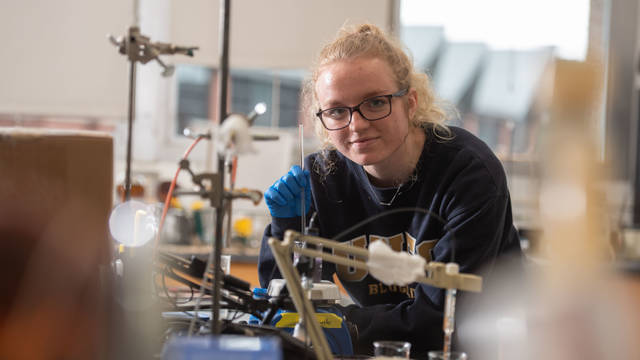
NSF-REU at UW-Eau Claire
Learn more about our 2026 Summer REU Site that allows UW-Eau Claire to host 10 undergraduate students for a nine-week summer research program.
Learn More